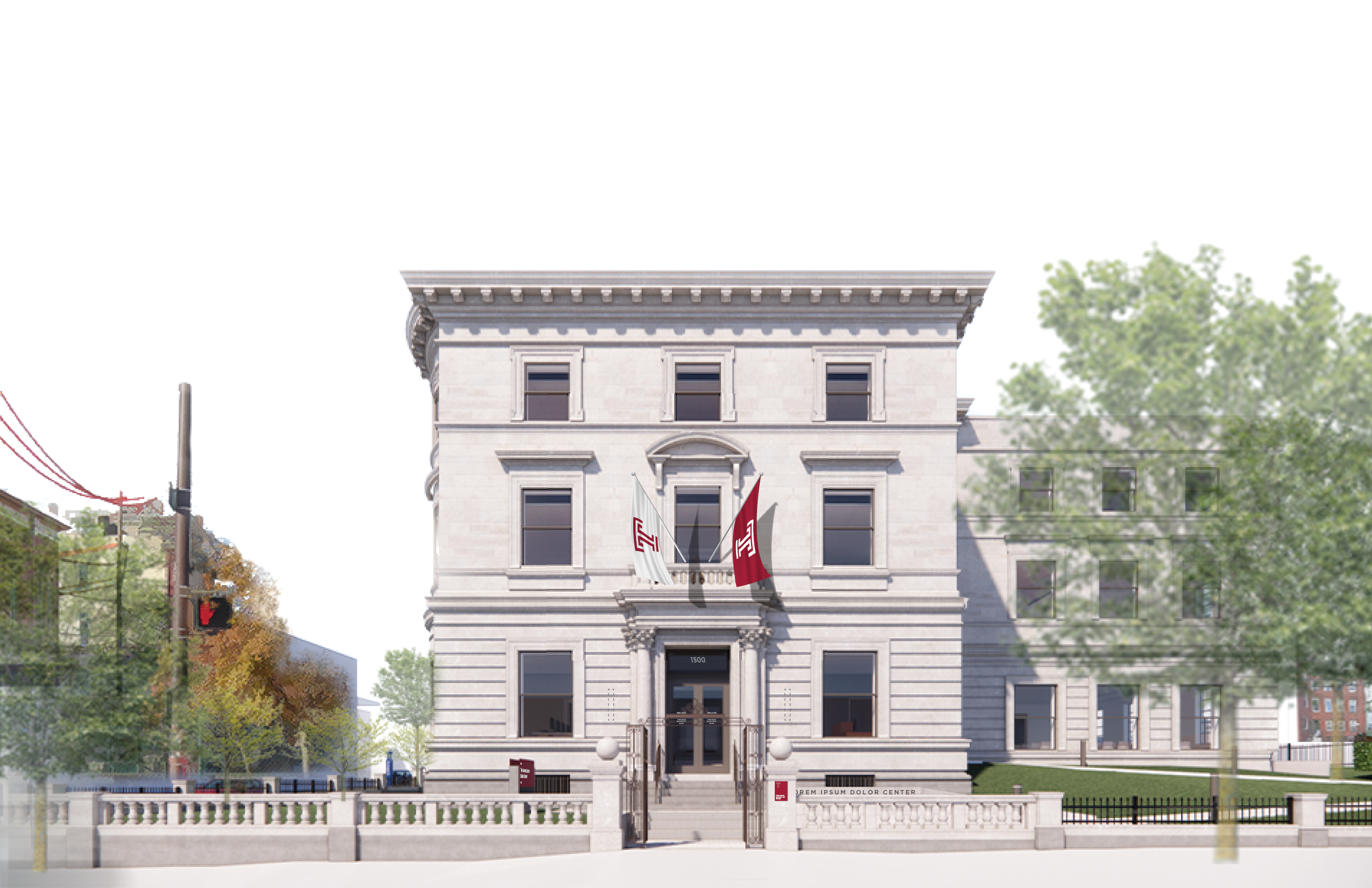
Spolan Community Engagement Center

On Oct. 22, 2026, Temple University President John Fry announced that in recognition of a generous naming gift from Michael Spolan through the Spolan Family Fund, the historic Alfred E. Burk House, located at 1500 N. Broad St., would now be known as the Spolan Community Engagement Center.

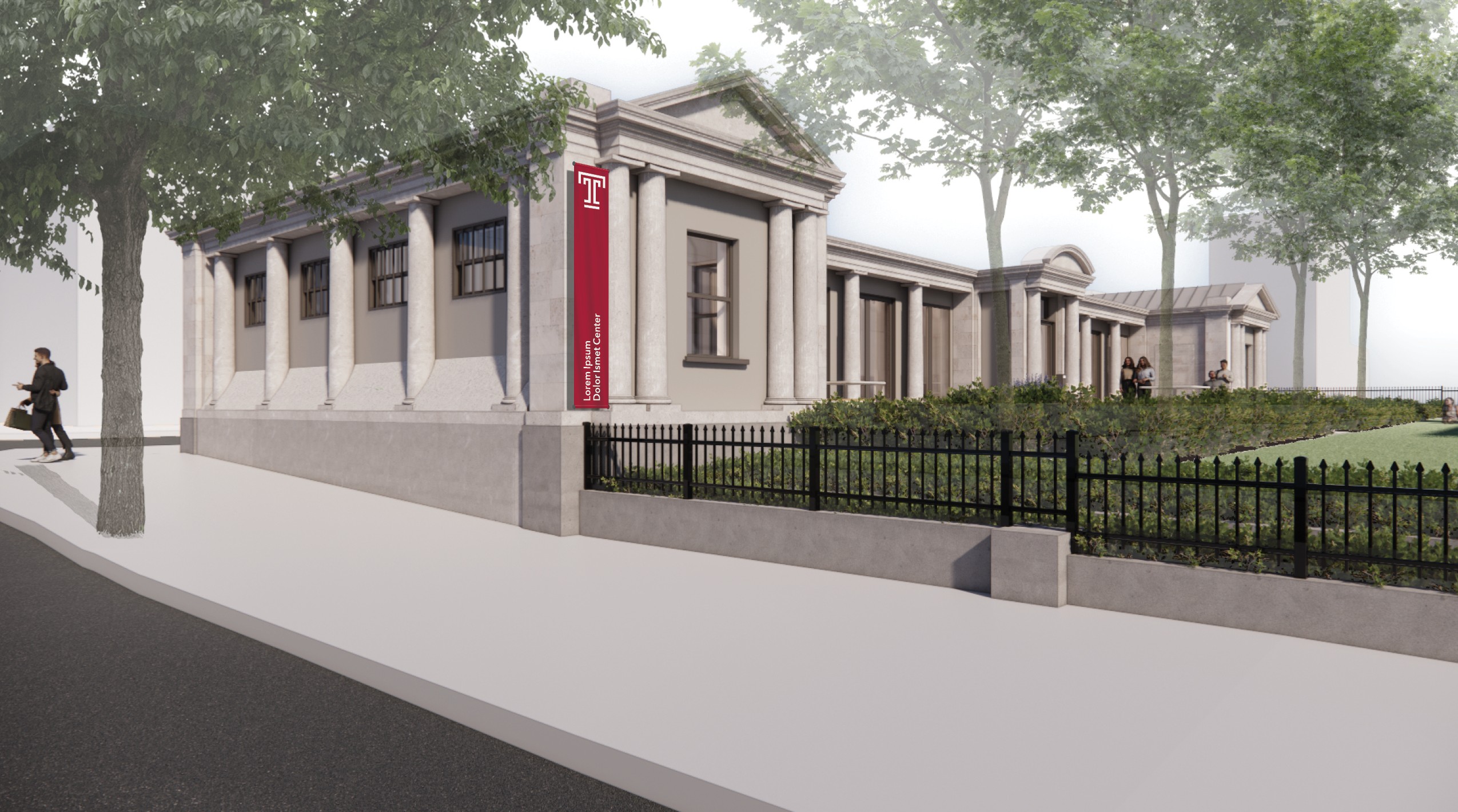
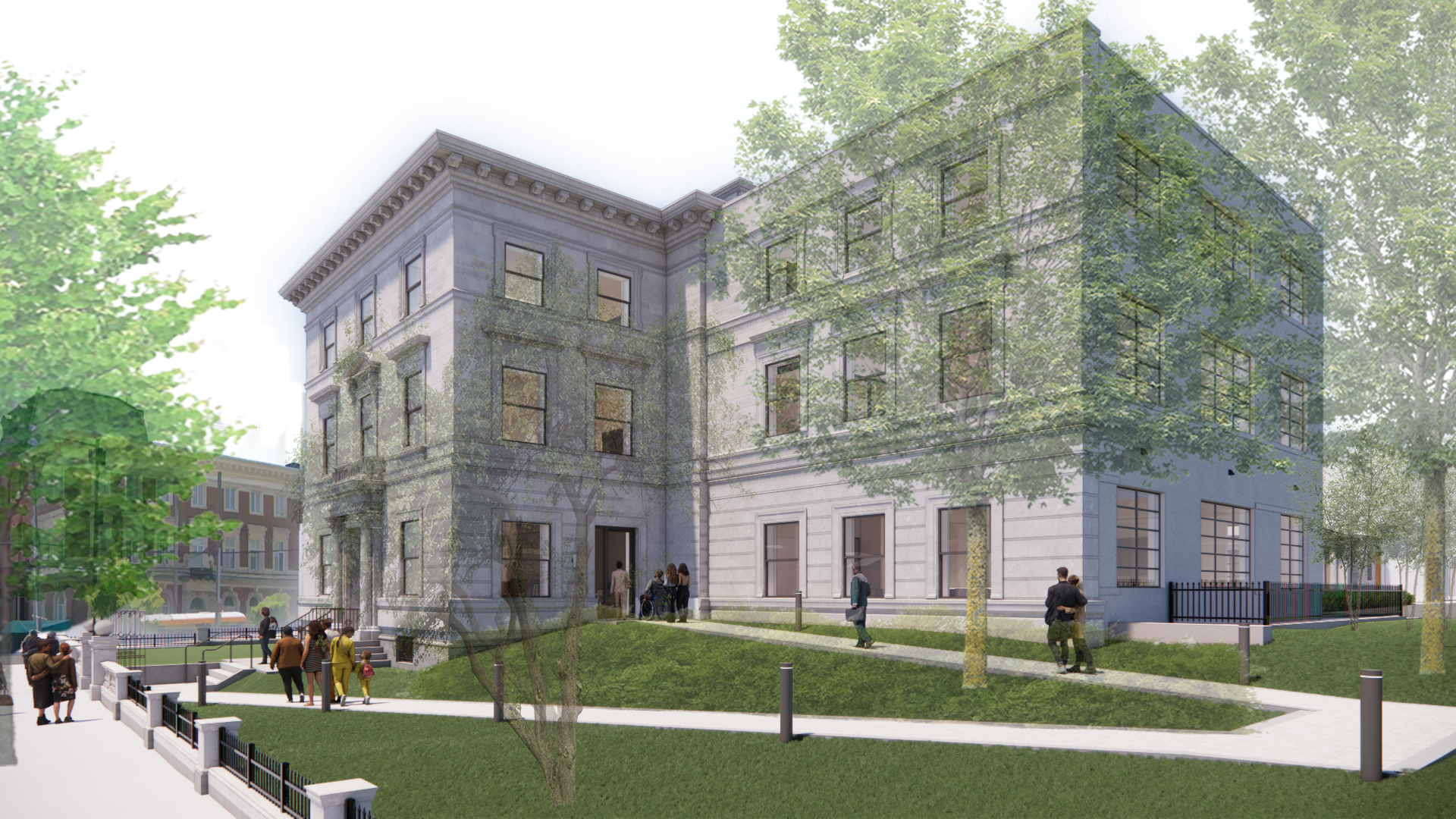
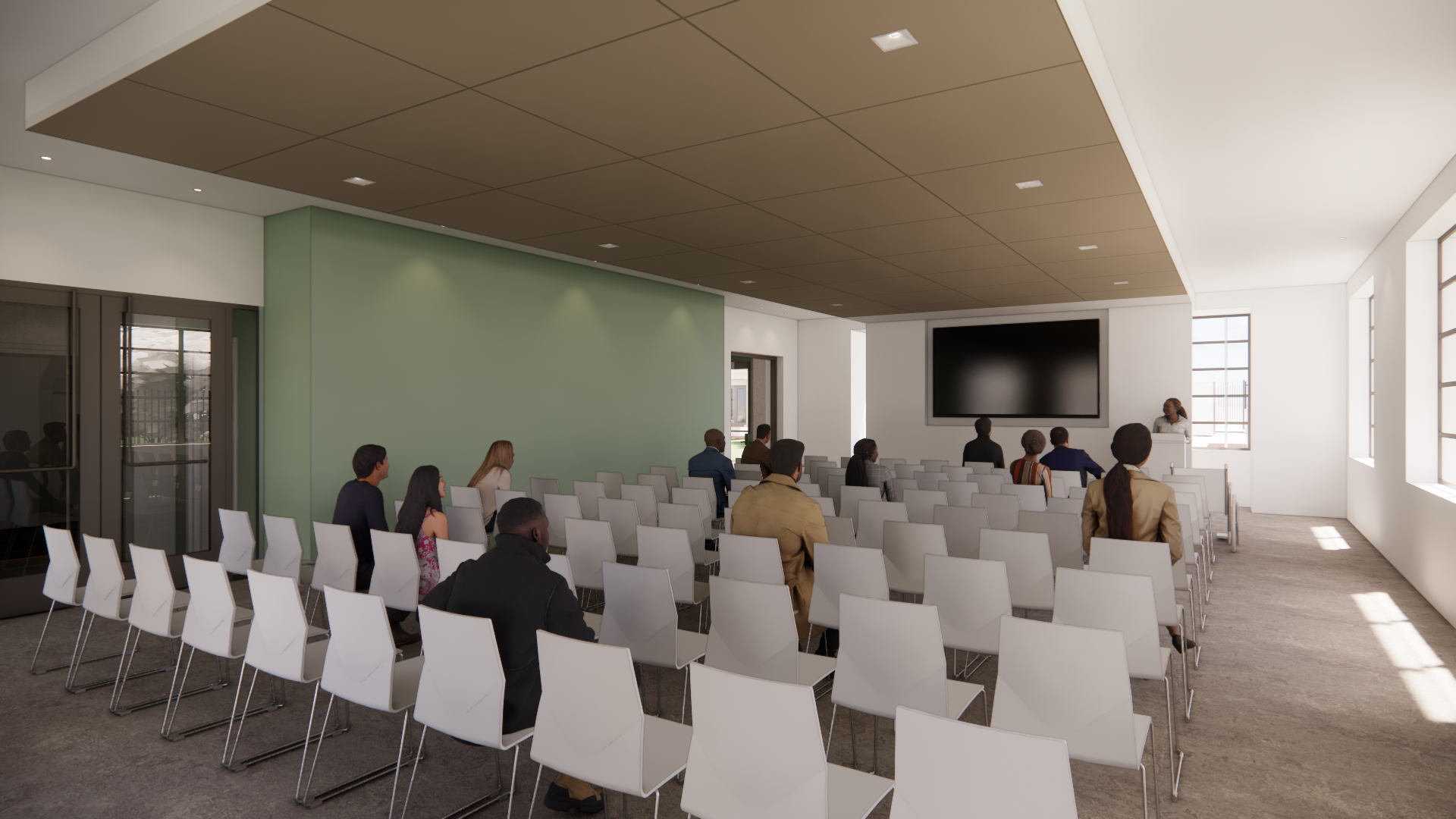
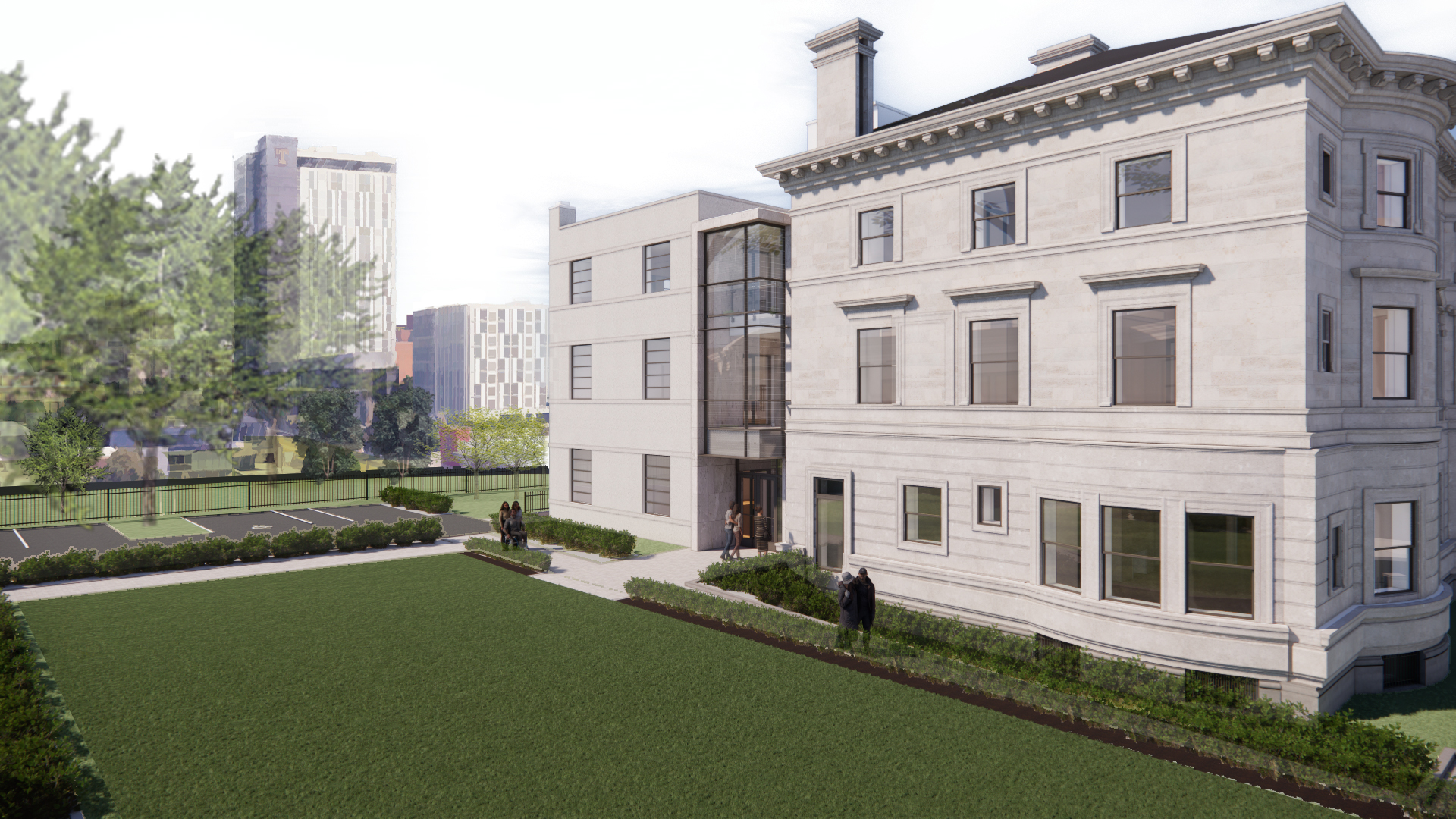
Renovations are currently underway around the Spolan Center, with plans for the facility to open in early 2028. Once it opens its doors, it will serve as the dedicated hub to house Temple’s community engagement efforts, hosting a wide range of programs and services that will be available to the North Philadelphia community.
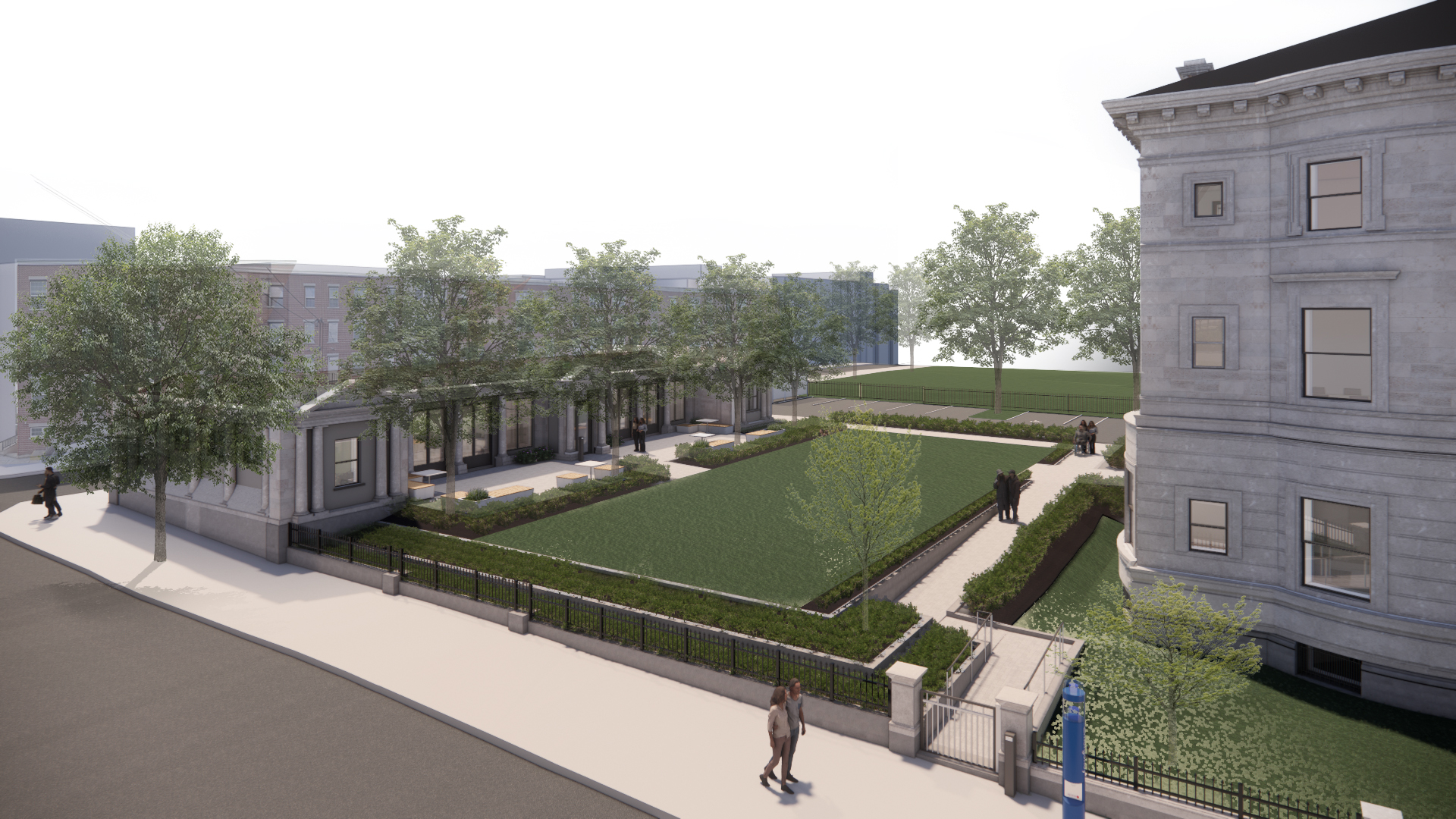
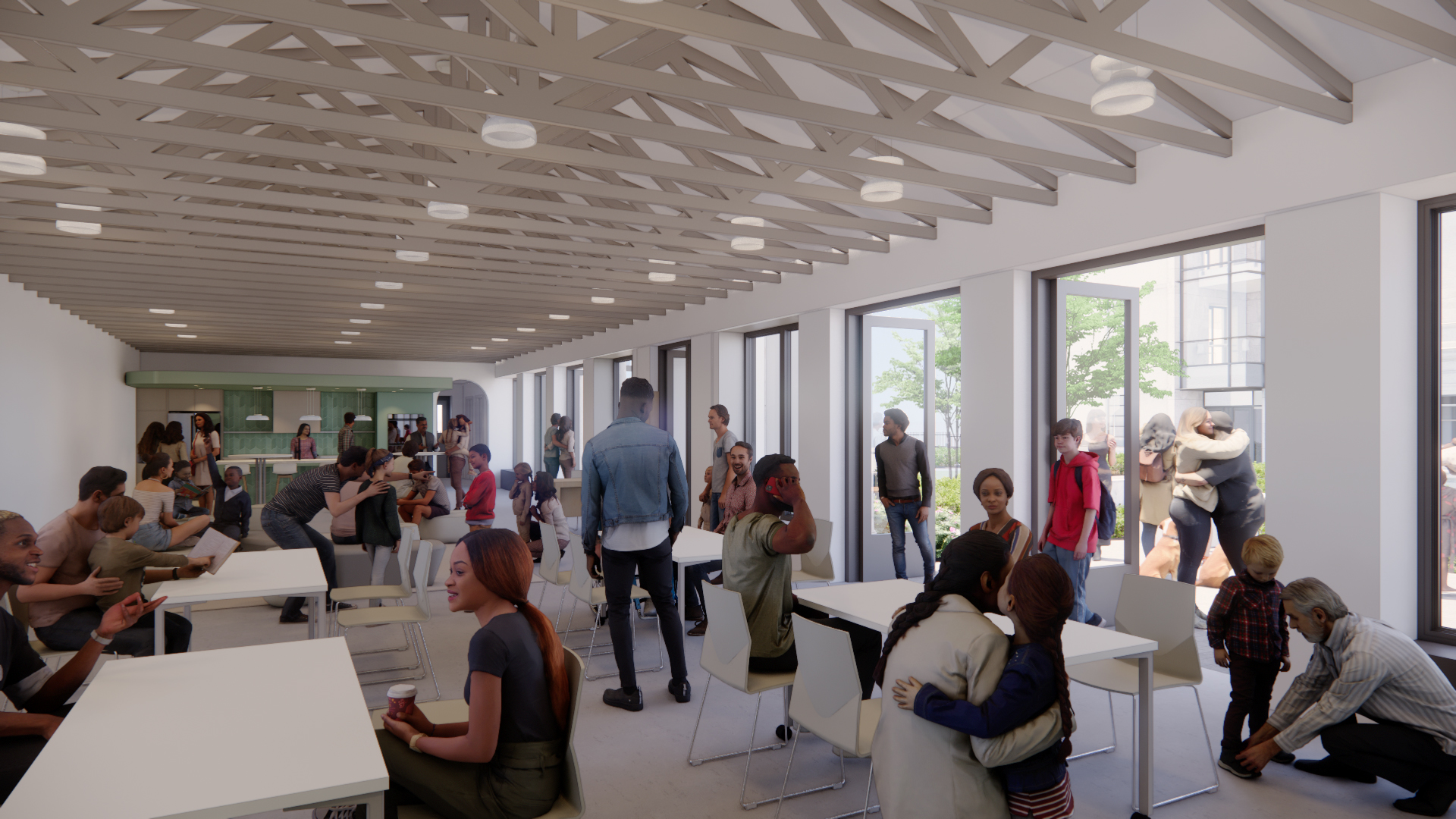
See the vision for the Spolan Community Engagement Center

Photo credit: Martin Droz

Forward with Purpose: Investing in community

Temple’s Office of Community Impact and Civic Engagement will lead efforts to revitalize the building and the services offered. The plans emphasize that feedback from community members and partners will inform the resources available. Services like Temple’s Community Gateway  will move to the Spolan Community Engagement Center when it reopens.

Future programs and spaces housed at Burk Mansion will continue to grow the university’s longstanding commitment to residents. 

  • Computer labs, to support digital access and creative skills.  
  • Open spaces, for a range of movement activities.
  • A community garden, to promote food access and community connection. 

“We have some significant plans for what it will be, but the most important thing is that we're really going to listen to the community, so we can learn what they want to see in the building.”

Temple University Logo

David Brown

Executive Director of Community Impact and Civic Engagement

The location has a vibrant history and significant meaning to the North Philadelphia community.  
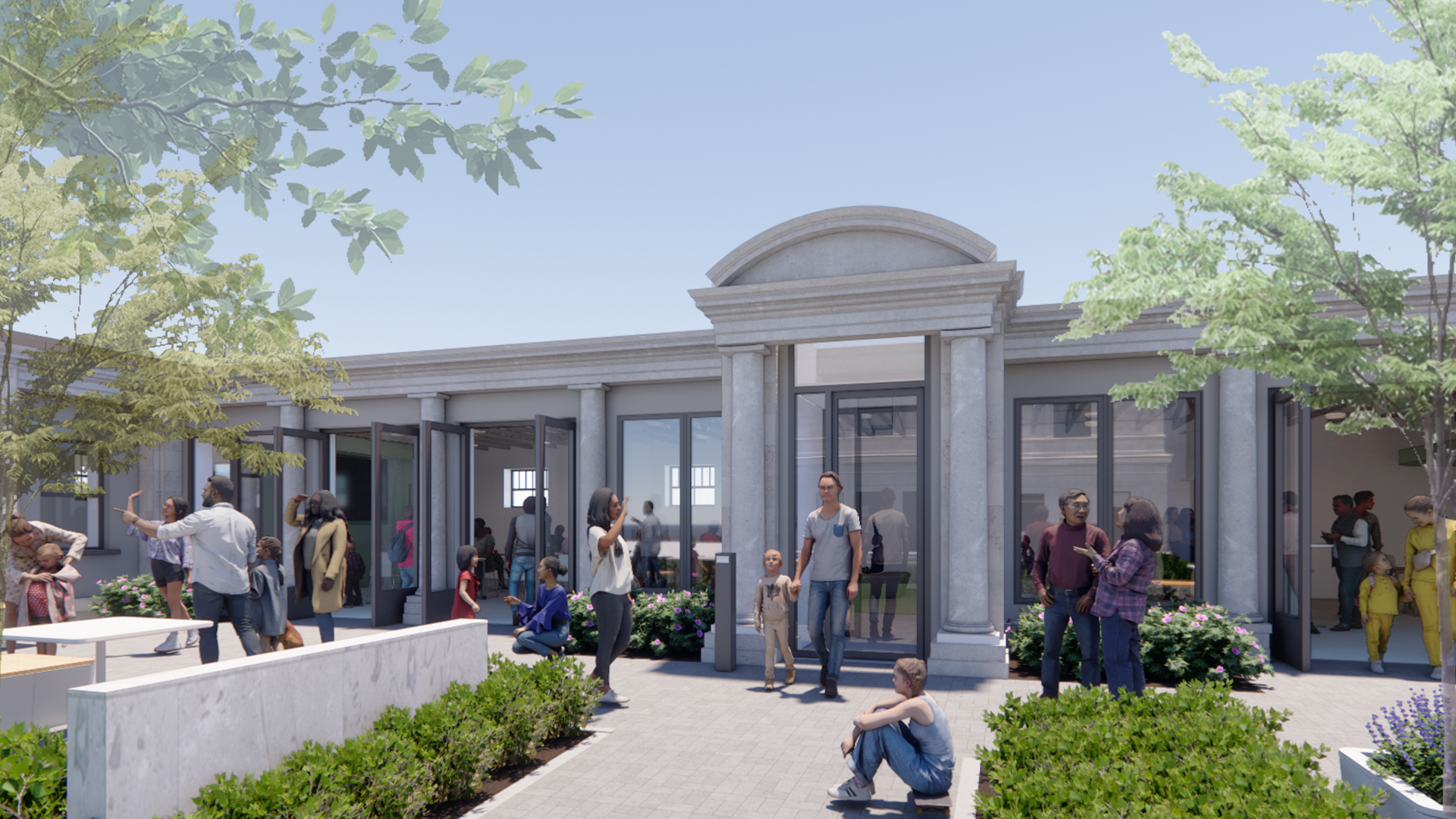
In the 1960s, it was the home of the university’s School of Social Administration, through its Center for Social Policy and Community Development. Temple acquired the building from the Burk family in 1971. It served as the location for multiple community initiatives—including education, workforce development, violence prevention and child welfare training programs—for the neighborhoods surrounding Main Campus and the Health Sciences Center.  

In 2012, the university invested in the stabilization of the mansion and conservatory to help preserve it for future use, but a definite plan for the building’s future had not been developed until this past April when Temple submitted a formal application to the Philadelphia Historical Commission on how it plans to rehabilitate and use the facility moving forward. Those plans have now come to life through the development of the Spolan Center.